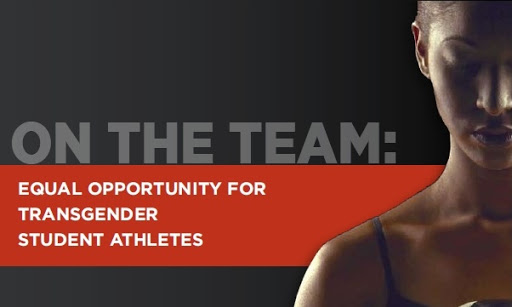
Changing the Game movie trailer
Changing The Game
Revolutionary film Changing the Game is a documentary style movie which follows the lives of three transgender athletes during their teenage years. Directed by Michael Barnett, a critically acclaimed director, this film is one of 10 others Barnett has directed throughout his career in film. Each athlete featured in the documentary is shown at different stages in their transitions as transgender teens. Among those portrayed includes Sarah, a fierce competitive skier and teen policymaker. Athlete Andraya Yearwood is a track star amid her own transition into womanhood. The film then centers on Mack Beggs, a teen who made headlines after becoming the 2019 Texas State Wrestling Champion. Beggs, sharing his life story with the camera, shows the painful confusion of being praised as a hero, yet also receiving hateful death threats from protesters. Changing the Game is a film which is incredibly raw, depicting the teens in their most vulnerable moments. Moments of vulnerability include Mack Beggs, seated for an interview, speaking about his past suicide attempts, the body dysmorphia, and gender dysphoria that wrestling aides him in overcoming. Andraya speaks about how she fears she will never be loved as a trans girl, afraid men would label her a freak, threatened by her transgender identity. Sarah is shown on screen speaking to a courthouse of people protesting against her- the epitome of bravery and courage. This movie depicts the wins and losses of sports, and the ups and downs synonymous with teenage years. One of the most amazing factors about this documentary is its ability to depict the individuals as who they truly are- simply teens battling to be their true selves, making them like every other teenager in the world.
Intersectionality, as with many other social factors, is a concept deeply ingrained throughout this documentary. Intersectionality is described as “the interconnected nature of social categorizations such as race, class, gender, creating overlapping and interdependent systems of discrimination or disadvantage” (Kaufman, Intersectionality for Beginners.) Rarely are we able to see multiple layers of oppression in such clear, definite terms as depicted in this film. Onscreen, transgender teens battle with multiple levels of oppression based on factors such as race, ethnicity, gender, gender identity, etc. Andraya Yearwood for example, is an African American student and track athlete living in Connecticut, who just so happens to be a transgender. Andraya is depicted facing multiple levels of oppression- firstly, being an African American in the United States is tied to all kinds of oppression, such as institutional racism. Andraya is also a woman, which is linked with oppressive connotations in Western society. Lastly, she is a transgender teen, clearly coming with a slew of its own problems and issues to overcome. Andraya, who is quite open about her gender identity, fights unacceptance and rejection from the African American community, students and peers (including other girls), and oppression from a male dominated society which harps on women in sports. Unfortunately, Andraya is not the only individual with whom struggles with many layers of oppression. Sarah Rose Huckman is another teen fighting with her gender identity who experiences intersectional discrimination. Also a person of colour, Sarah was adopted from Puerto Rico as an infant and was raised in the United States. Sarah also shares the same weight of an identity subject to intersectional oppression as Andraya. These transgender athletes face problems of systemic oppression through institutional racism, as well as misogynistic ideals and gender normativity.
Another theme central to the film is the idea of a normalized binary in society. In this case, gender binaries are all too prevalent. Gender binaries are defined as the “classification of gender into two distinct and opposite forms of masculine and feminine, whether by social system or cultural belief” (Raskoff, Signs of Gender.) The movie also heavily addresses the idea of normativity. The enforcement of what is considered normal occurs heavily in sports, where gender norms and gender binaries are pushed to extreme ideals. In sports, one either participates on a women’s or men’s team, and, consequently, there is no space for individuals who do not fit the gender binary in sports, as seen throughout this documentary. The men and women portrayed in this movie do not fit into society’s restrictive gender binaries, yet these binaries remain to be forced upon them all the same. In the movie, competitors of the three athletes raise concern that their transgender opponents do not fit the binary gender norms required to compete. For example, parents of Andraya’s competitors are heard yelling that Andraya is “making a mockery of girls, of women’s rights, and she’s a real shame.” Another point that is brought up is that Andraya, being a trans female, does not get her period, does not have a feminine body, nor is she the same as the other girls competing. This absolute binary way of thinking completely adheres to the gender norms of western society- that all girls must get their periods, all female bodies look the same, and that all bodies adhere to the norm of having an ideal feminine physique. The relationship of gender and performance level is pointed out by this parent, because Andraya does not adhere to the white, feminine ideal of womanhood.
It is truly refreshing that through this movie, one is able to see the depiction of transgender teenage athletes being their true authentic selves in media representation. Rarely is this type of character expression ever seen in mainstream popular culture, and if so, LGBT characters are often subjected to problematic representation. This involves issues such as queerbaiting, as mentioned in Bea Mitchell’s “Queer Baiting: What Is It and Why Is It a Problem?” (Mitchell, Queerbaiting: What Is It and Why Is It a Problem?) To see the transgender individuals sharing their stories and being so raw and open about their lives was such a nice change from the norms of mainstream media. In addition, it is incredible to see the individuals portrayed as normal teenagers with a focus on them as athletes, rather than the entire content of their character surrounding their trans identities. To see the girls at a sleepover with peers, laughing the night away, for example, truly depicts them as what they are: teenagers being their authentic, true selves. This depiction of the individuals featured show not only a trans person, but multifaceted individuals with many talents and interests. This is a pleasant deviation from the all too common depiction of LGBTQ individuals in the media, their entire character solely based on their gender identity. In conclusion, Changing the Game truly has changed the game in terms of filmmaking and inclusive LBTQ representation.
Word count: 1097
Citations
Kaufman, Peter. “Intersectionality for Beginners.” Everyday Sociology Blog. N.p.,
23 Apr. 2018. Web.
Raskoff, Sally. “Signs of Gender.” Everyday Sociology Blog. N.p., 27 Mar. 2017.
Web. 11 Feb. 2020.
Mitchell, Bea. “Queerbaiting: What Is It and Why Is It a Problem?” Pink News
Online. N.p., 26 Feb. 2018. Web. 13 Feb. 2020.
 GNDS 125 FILM REVIEW
I love your review. You used a very analytical lens and quite an interesting perspective regarding intersectionality. The way you discussed normalized gender binaries in the pertinent manner regarding transgender athletes was great. I definitely want to see this film!
LikeLike